

Wood Fences: The Classic Choice
Wood fences have been a staple of Austin neighborhoods for decades. They’re affordable, versatile, and easy to customize.
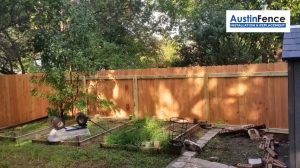
Pros of Wood:
- Lower upfront cost ($15–$30 per linear foot).
- Wide range of styles and stains.
- Natural, warm appearance that suits most homes.
- Easy to repair individual boards.
Cons of Wood:
- Requires regular staining or sealing to prevent rot.
- Susceptible to termites, warping, and moisture damage.
- Lifespan of 10–15 years with proper care.
Wood is ideal for homeowners who want an affordable, natural look and are willing to undertake routine maintenance.
Vinyl Fences: The Modern, Low-Maintenance Option
Vinyl fences are becoming increasingly popular in Austin due to their durability and low maintenance requirements. Vinyl fences offer a modern appearance with sleek, clean lines that complement contemporary homes, and are highly durable, even in extreme temperatures.
Pros of Vinyl:
- Long lifespan (20–30 years).
- Minimal maintenance (just occasional washing).
- Resistant to rot, pests, and fading.
- Available in multiple colors and styles.
- Maintenance-free fence option—no staining, sealing, or painting required.
- Ideal for pool area privacy and safety, especially with vinyl privacy fence panels that allow sunlight while enhancing seclusion.
Cons of Vinyl:
- Higher upfront cost ($25–$40 per linear foot).
- Limited customization compared to wood.
- It can crack under extreme impact or intense heat.
- Unlike wood, vinyl fences have limited customization and do not offer the same natural look.
The manufacturing process for vinyl fencing uses polyvinyl chloride (PVC), and many manufacturers now employ improved, more sustainable methods to reduce environmental impact.
When comparing vinyl and wood as fencing materials, vinyl requires far less maintenance and offers a more modern appearance, while wood provides a traditional, natural look but requires regular upkeep.
Cost Comparison: Upfront vs. Long-Term
- Wood: Lower initial cost, but higher long-term costs due to ongoing maintenance, staining, and repairs.
- Vinyl: Higher initial cost, but more cost-effective over time because of minimal upkeep, fewer repairs, and greater durability.
The cost factor is essential when choosing a fence. At the same time, initial cost matters, long-term costs, and overall cost effectiveness should also be considered to make the best financial decision.
For budgeting accuracy, request a fence estimate in Austin before making your decision.
Maintenance Requirements in Austin’s Climate
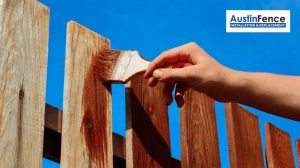
Austin’s hot summers and seasonal storms can be harsh on fences:
- Wood: Wood fences require regular maintenance, including tasks such as staining or sealing, every 2–3 years, to withstand the effects of UV rays and humidity. Power washing is also recommended to preserve appearance and structural integrity.
- Vinyl: Vinyl holds up well with just simple cleaning—use soap and water to remove dirt, mold, or mildew. Power washing is not usually necessary, though extreme sun can cause slight fading over time.
Maintenance cost is another key factor: homeowners seeking low-maintenance solutions may prefer vinyl, as it offers long-term savings and reduced expenses compared to the ongoing upkeep required for wood.
See our guide How to Make Your New Fence Last for more maintenance strategies.
Durability and Lifespan Differences
- Wood: 10–15 years with upkeep; vulnerable to rot and pests. Prolonged exposure to sunlight and moisture can accelerate the growth of rot and decay.
- Vinyl: 20–30 years; resistant to most environmental factors but may crack under impact.
If longevity is your priority, vinyl usually wins. If upfront affordability is the top priority, wood is a solid choice.
Style and Aesthetic Considerations
- Wood: Natural charm, customizable with stains or paints, fits traditional Austin homes.
- Vinyl: Sleek and uniform, available in clean whites, tans, and grays, great for modern builds.
If you want a fence that blends seamlessly into its natural surroundings, wood is the ideal choice. For a low-maintenance, modern look, vinyl is the ideal choice.
Both wood and vinyl are also popular choices for privacy fences, with wood offering a classic, customizable appearance and vinyl providing a durable, easy-care option for enhanced privacy and style.
Climate Impact in Austin
Austin’s climate makes fence choice more than just about looks:
- Intense sunlight: causes wood to fade and dry out unless it is sealed. A wooden fence in Austin requires regular staining or sealing to withstand the local climate and prevent damage from pests, such as termites. Vinyl holds color better but may expand when exposed to heat.
- Heavy Rains & Humidity: Wood is prone to rot and mildew; vinyl resists moisture.
- Soil Shifts & Storms: Strong winds may loosen posts regardless of material, making professional installation critical.
Environmental & Sustainability Considerations
Many Austin homeowners also factor in sustainability:
- Wood: A renewable material, mainly if sourced responsibly, but frequent staining introduces chemicals into the environment. The environmental impact of wood fencing depends on factors such as deforestation, the use of biodegradable materials, and the sustainability of harvesting practices.
- Vinyl: Made from polyvinyl chloride (PVC), not biodegradable, but its long lifespan reduces the frequency of replacements. The environmental impact of vinyl fencing is influenced by the manufacturing process, chemical treatments, and the sourcing of raw materials, though many manufacturers are working to improve sustainability.
If eco-friendliness is a priority, wood sourced from certified forests may be a more appealing option. If reducing waste and long-term replacements are the top priorities, vinyl is the greener choice.
Which Fence Is Right for You?
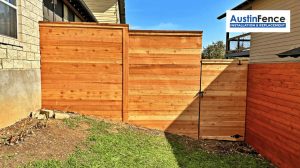
- Choose wood if: You’re budget-conscious, prefer natural materials, and don’t mind ongoing maintenance.
- Choose vinyl if: You want long-term durability, minimal upkeep, and are willing to invest more upfront.
The choice of vinyl fencing depends on your maintenance preferences, desired durability, and willingness to pay more initially for long-term value. Most homeowners weigh cost, durability, and style when deciding on the best fence material for their property.
For a personalized recommendation, consider your lifestyle, home style, and budget. Professional advice can help you make informed decisions.